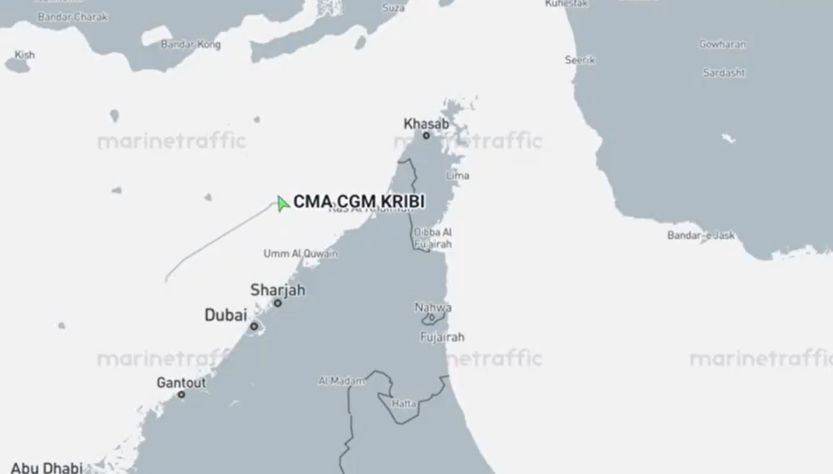
Secretary of War Pete Hegseth didn’t mince words when he laid it out for the allies this week. The free ride America has been footing for decades in the world’s most dangerous shipping lane is finished. No more U.S. Navy playing global policeman while European capitals sip coffee and lecture everyone else about climate virtue. The Strait of Hormuz mess is Europe’s problem now, and the bill is coming due in higher energy prices, squeezed budgets, and a reality check on what national security actually costs. This is America First in action: secure our own backyard first, stop subsidizing freeloaders, and make allies carry their weight or watch their economies take the hit.
The Straight Talk That Europe Didn’t Want to Hear
Hegseth stood at the Pentagon and called it exactly like it is. “The time for free riding is over,” he said. America barely uses the Strait of Hormuz. Our energy doesn’t flow through there, and we’ve got plenty right here at home thanks to the drilling boom that the last crowd tried to kill. This fight in West Asia isn’t America’s alone. Europe and Asia have benefited from our protection for decades, but being an ally isn’t a one-way street. They need the oil lifeline far more than we do, so maybe put down the conference agendas and get some boats in the water.
No spin, no diplomatic fluff. Just the truth: we’ve got energy independence. They don’t. We’ve got the Navy enforcing the blockade on Iran’s cash flow. They benefit from the secure shipping lanes but show up with speeches instead of ships. The message landed like a gut punch in Brussels and Berlin because it exposed the scam they’ve been running since the Cold War ended.
BREAKING: Secretary of War Pete Hegseth calls out America’s allies: “The time for free riding is over.”
“America and the free world deserve allies who are capable, who are loyal, and who understand that being an ally is not a one way street.”
“We barely use the Strait of Hormuz… pic.twitter.com/o2fCGDq6kP
— Fox News (@FoxNews) April 24, 2026
NATO’s Paper Tigers Finally Forced to Face Facts
NATO has spent years pretending 2 percent of GDP on defense was some heroic sacrifice while the U.S. carried the real load. Every European ally now claims to hit that mark after years of American prodding, with some like Poland pushing past 4 percent. But talk is cheap when the actual fight shows up. Hegseth made clear the era of Washington writing blank checks for European security is done. Allies want the U.S. umbrella? Then contribute real assets to keep the Strait open instead of hiding behind fancy summits and virtue-signaling press releases.
This isn’t about abandoning NATO. It’s about fixing it. Europe built massive welfare states and green-energy fantasies on the back of American military muscle. Now the bill arrives in the form of actual naval commitments or the economic pain of disrupted oil flows. The free lunch crowd in Europe is about to discover that loyalty works both ways, and America isn’t playing the sucker anymore.
The Oil Choke Point That’s About to Crush European Wallets
Europe imports 98 percent of its oil and gets 12 to 15 percent of that supply straight through the Strait of Hormuz from Persian Gulf sources. That’s millions of barrels a day keeping factories running, homes heated, and cars on the road. The U.S. pulls in less than 7 percent of our crude imports that way, and it’s dropping fast because domestic production has us covered. While we’re sitting pretty with cheap American energy, Europe faces the direct hit if shipping slows or prices spike from the blockade.
Global oil trade through the Strait runs around 20 million barrels daily. Most of it heads to Europe and Asia. Disrupt that flow and European refineries scramble, diesel prices jump, and inflation roars back. The same leaders who cheered endless sanctions and green mandates now stare at empty tankers and rising costs they can’t blame on America. Hegseth’s warning means Europe either steps up with real naval power to protect those lanes or pays the price at the pump and in lost national income.
The National Income Squeeze That’s Coming for Europe
Higher oil prices act like a tax on everything. For Europe, already running on thin margins after years of energy experiments and bloated spending, this means slower growth, higher inflation, and budgets stretched to the breaking point. Analysts tracking the numbers see the risk of trimming a full percentage point off euro-area GDP if prices stay elevated. Factories cut shifts. Households tighten belts. Governments that already struggle to hit defense targets now face the choice of raising taxes, slashing welfare promises, or watching their economies stall.
This is the direct result of decades of free-riding. Europe skimped on defense while America kept the sea lanes open. Now the mullahs’ cash is cut off, the Navy is holding the line, and the bill lands on the continent that benefited most. National income takes the hit first through energy costs, then through the defense spending they can no longer dodge. The welfare states built on American protection are about to feel the pinch, and no amount of finger-pointing changes the math.
🚨 DONALD TRUMP JUST STUNNED THE WORLD
Suddenly, oil and gas tankers want to RUSH to the US to fill up on energy. Look at the Gulf of America!
It’s almost like 47 had a plan this entire time 🔥
“Boats are sailing up, heading to OUR country, big, beautiful tankers — we’re… pic.twitter.com/xRFt22LuOi
— Eric Daugherty (@EricLDaugh) April 12, 2026
America Wins When Allies Finally Pay Their Tab
Hegseth’s warning isn’t bluster. It’s the logical end of putting America First after years of one-sided deals. We don’t need the Strait for our energy security. They do. We secured it anyway while they spent on social programs and virtue projects. That ends now. Allies who show up with ships and real commitments get the partnership they claim to want. The rest learn what self-reliance costs the hard way.
This is how you fix alliances: demand reciprocity, enforce consequences, and stop the endless subsidy. Europe isn’t collapsing tomorrow, but the days of cheap American protection while they lecture us on everything else are finished. The Strait stays open because we make it so, but the free ride is over. The continent that mocked our energy dominance is about to discover just how expensive that mistake becomes when the check arrives. America secured its future. It’s past time Europe did the same.